Which CNC lathe range is published?
The category contains 31 published machine records, and 27 include model-level specification tables. The range covers compact turning, Y-axis turning, dual-spindle and multi-axis turn-mill configurations.
Machine category
Choose a GKD CNC lathe by matching bar diameter, turning envelope, spindle speed, axis count and automation needs to the part drawing—not by model name alone. The current range covers compact CNC-46 machines with a 36 mm bar capacity, seven-axis LM-6SY systems with a 500 mm processing diameter, and ten-axis LM10SY-II turn-mill centers with a 400 mm processing diameter. Buyers should shortlist models only after confirming material, maximum part diameter and length, tolerance, annual volume and required secondary operations. This page compares 31 published CNC lathe records and links each verified specification set to its individual machine page for RFQ review.
Buyer guide
The category contains 31 published machine records, and 27 include model-level specification tables. The range covers compact turning, Y-axis turning, dual-spindle and multi-axis turn-mill configurations.
CNC-46 provides a 36 mm bar-through diameter, a 46 mm spindle through-hole and a 300 mm maximum processing length. Its retained specification identifies an A2-4 spindle nose and a 5-inch chuck.
LM-6SY is documented as a seven-axis machine with a 500 mm maximum processing diameter and 500 mm maximum processing length. Its main spindle is rated from 0 to 6000 rpm with a 46 mm bar-hole diameter.
LM10SY-II is documented with 10 axes, a 400 mm maximum processing diameter and a 400 mm maximum processing length. Its main spindle uses an A2-6 nose, an 80 mm through-hole and a speed range of 1 to 4000 rpm.
Send the maximum part diameter and length, raw-material form, tolerance, annual quantity and required operations. At minimum, those five inputs allow GKD to compare the drawing against the published spindle, travel and tooling data.
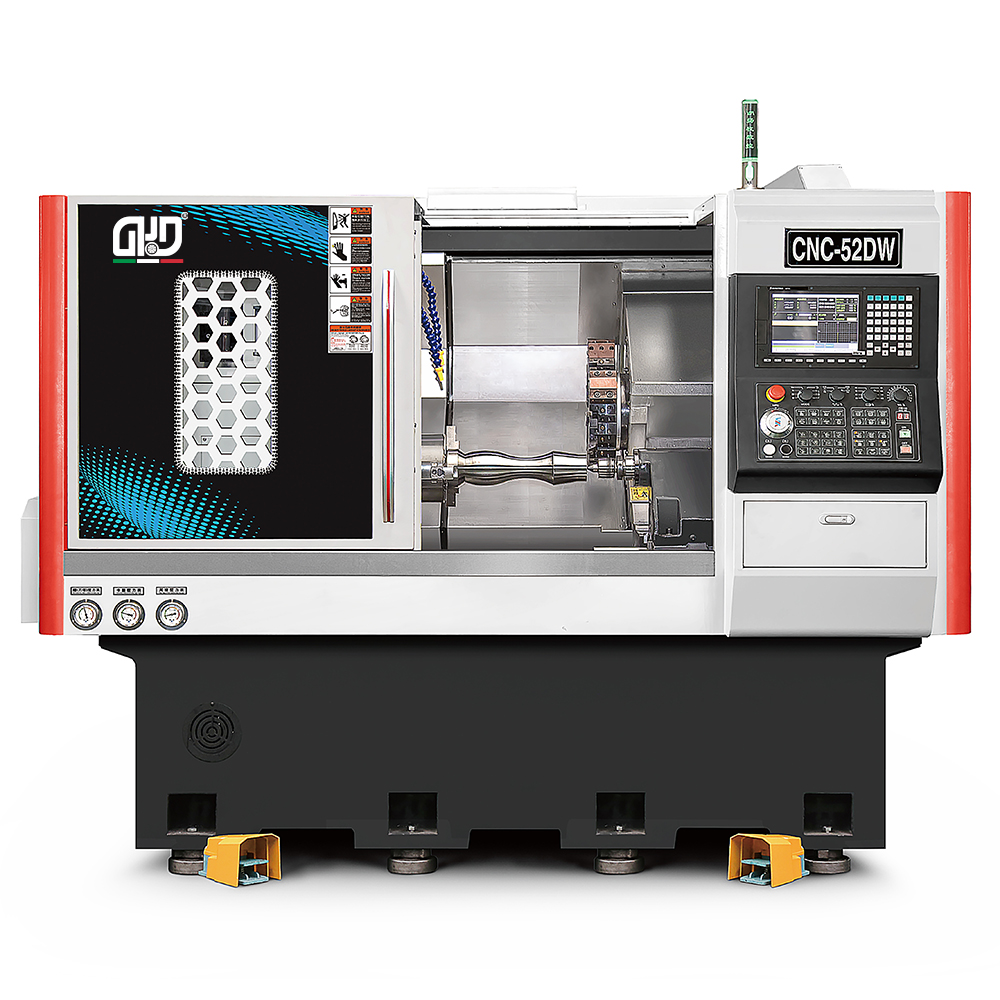
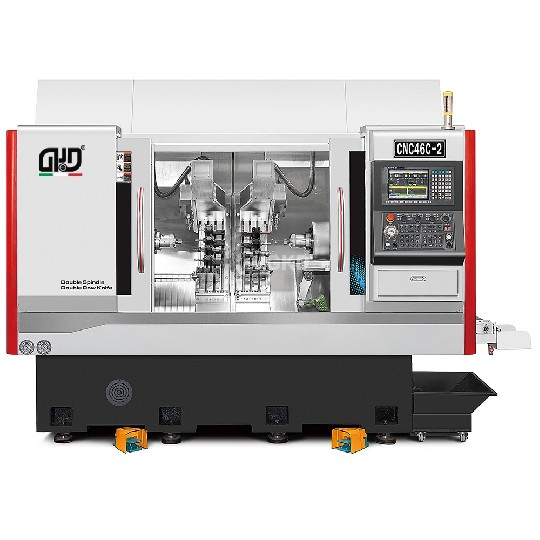
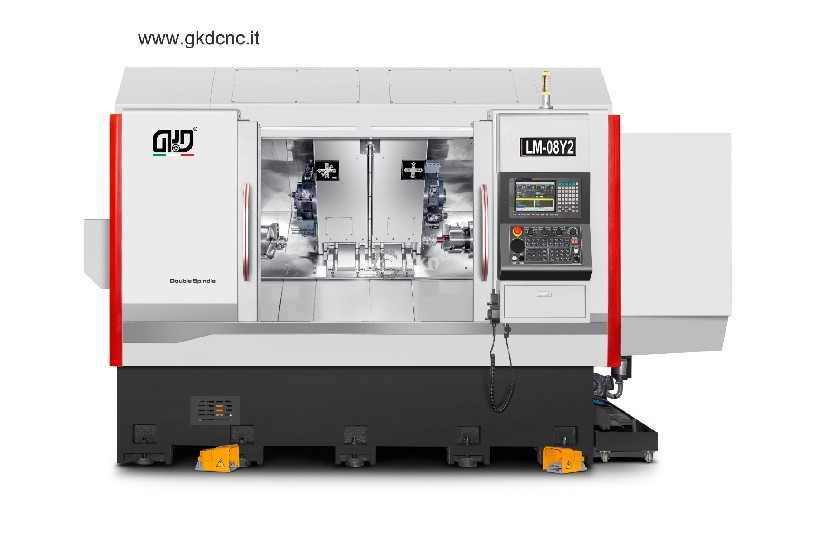
Dual-Spindle Gang-Tool Turn-Mill Center
The retained images confirm a dual-spindle, gang-tool turning and milling center designed to combine machining operations and reduce repeated workpiece clamping. The exact product model, controller and technical specifications remain pending confirmation; no local document has been assigned to this record.
View machine
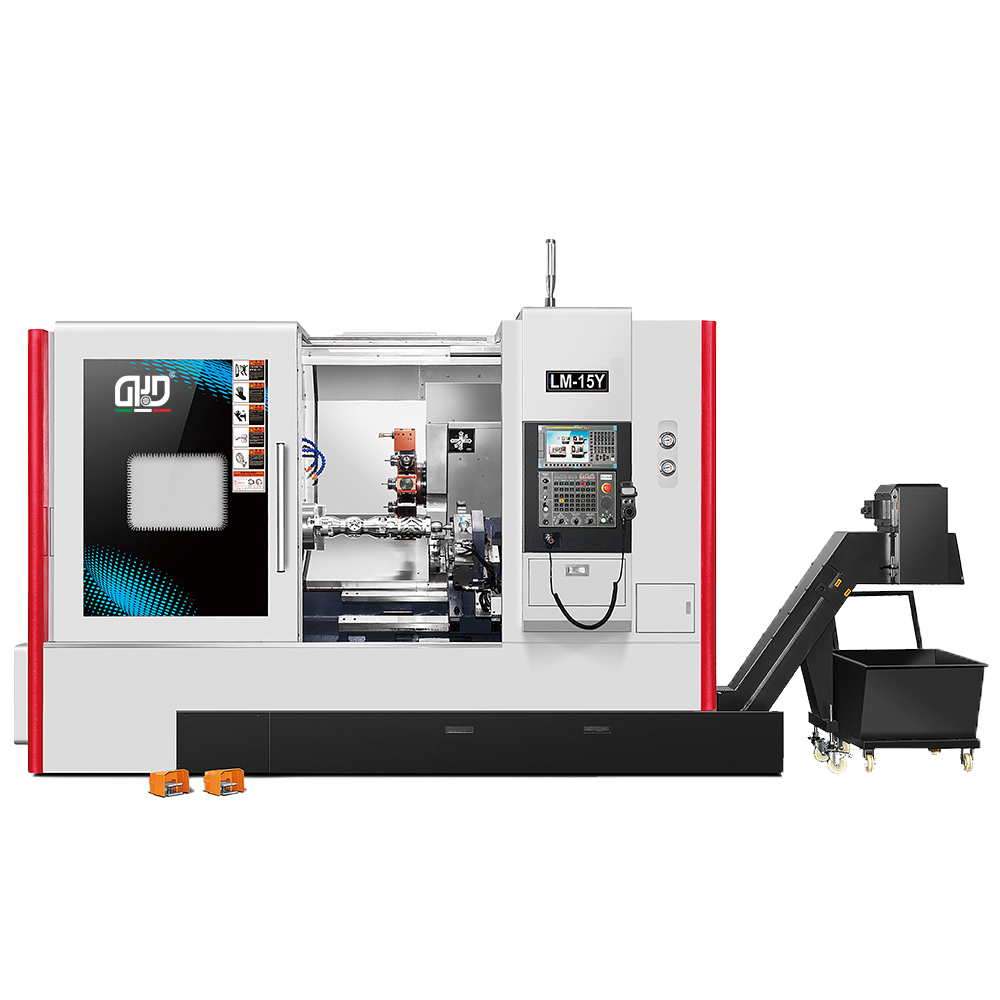
LM-15Y
The retained primary image identifies this biaxial turning and milling center as LM-15Y. Exact bed length, controller and technical specifications remain pending confirmation; the local LM15Y/1000 Fanuc document has not been published or treated as an exact match.
View machine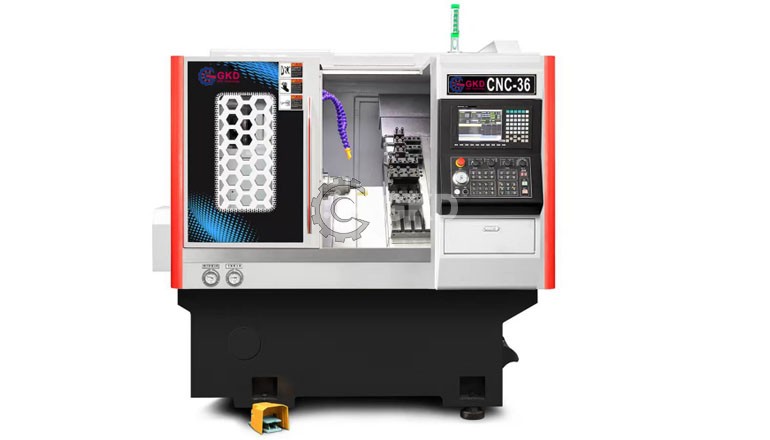
Double spindles double turret cnc turning and milling lathe center
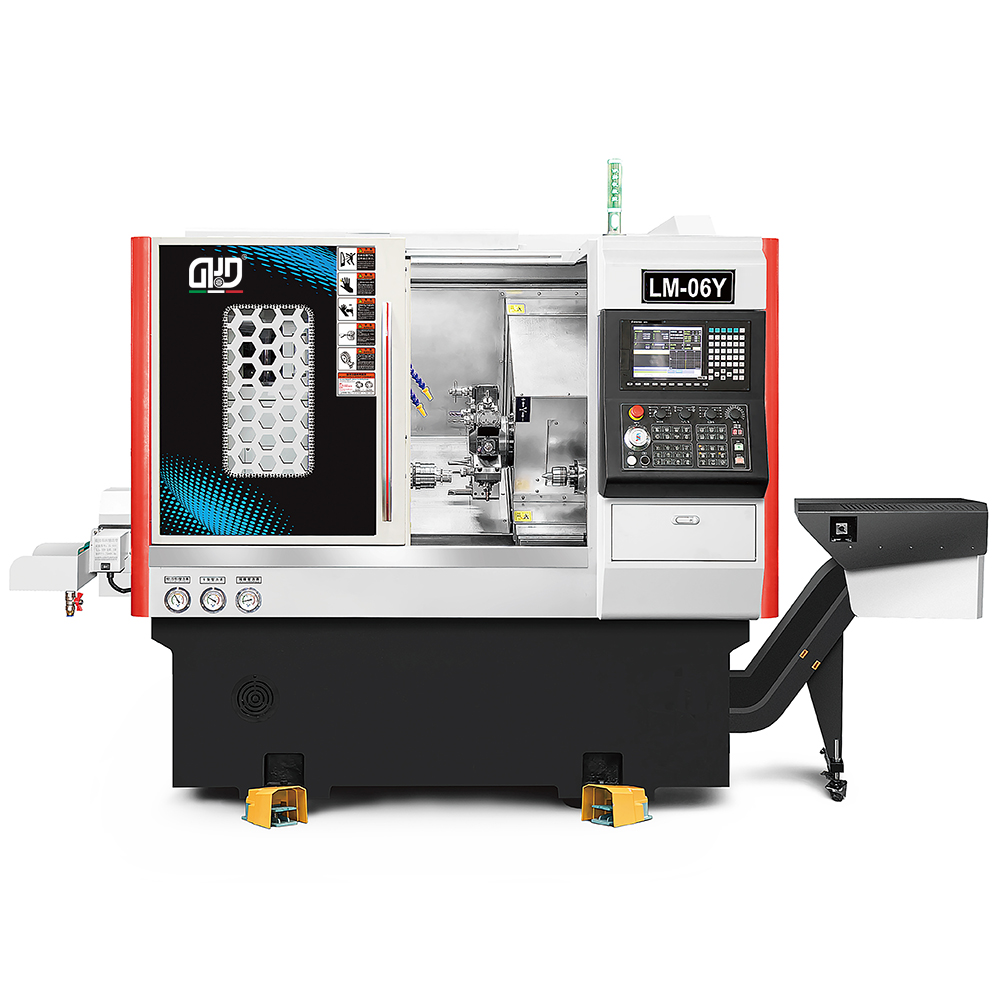
Double spindles double turret cnc turning and milling lathe center
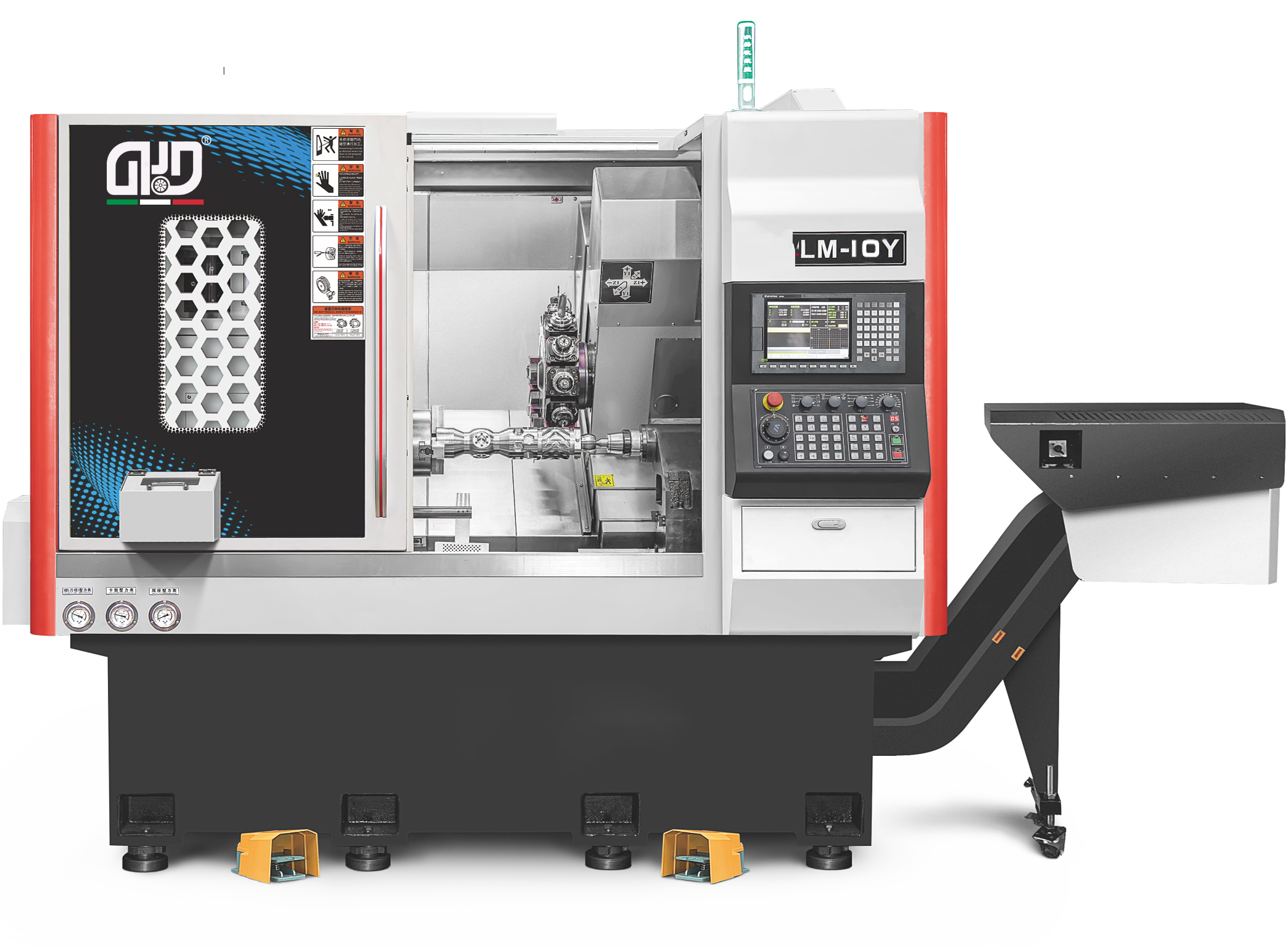
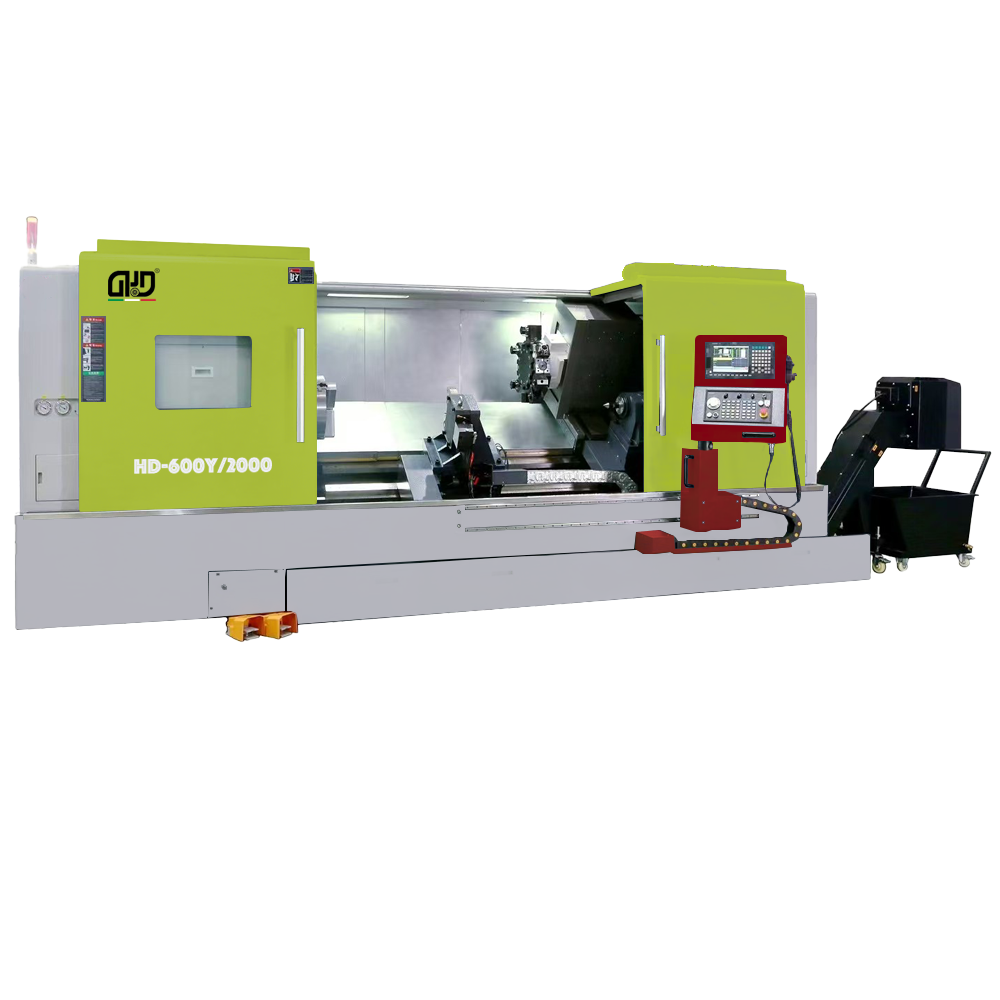
HD-600Y/2000
ModelHD-600Y/2000Double spindles/single power turretMax turning diameter on the bedФ900mmMax processing length2000mmMax processing diameter(Disk type)Ф600mmMax processing diameter(Cylindrical type)Ф600mmMain spindle noseA2-8(10”)Main spindle holeФ86mmBar hole diameterФ75mmMain spindle speed2000rpmMain Spindle power22KWDriven head power5.7-7.5KwX/Z torque35 NmTool turret position12pcsTurret modelBMT65Tool size32x32mmBoring tool size50mmDriven head sizeER40mmLiving tools milling max speed6000rpmAxis rapid speed12m/minX axis travel245mmY axis travel±60mmZ axis max travel2200mmTailstock max travel2000mmTailstock sleeve diameter130mmTailstock sleeve travel80mmTailstock typeMT#5Processing accuracyIT6Repeatability position accuracyX : ≤0.003 、Z: ≤0.005Position accuracyX : ≤0.008 、Z: ≤0.01Machine weight11000KGMachine size6700*2400*2400mmControllerFanuc Oi-TF
View machineFAQ
This category publishes 31 CNC lathe records; 27 currently include structured model-level specification tables.
The retained CNC-46 specification lists a 36 mm bar-through diameter and a 46 mm spindle through-hole.
The LM-6SY main spindle is listed at 0–6000 rpm, with a 46 mm bar-hole diameter.
Yes. The retained specification lists 10 axes and a 400 mm maximum processing diameter.
Include the drawing, material, maximum diameter and length, tolerance, annual volume and required secondary operations.